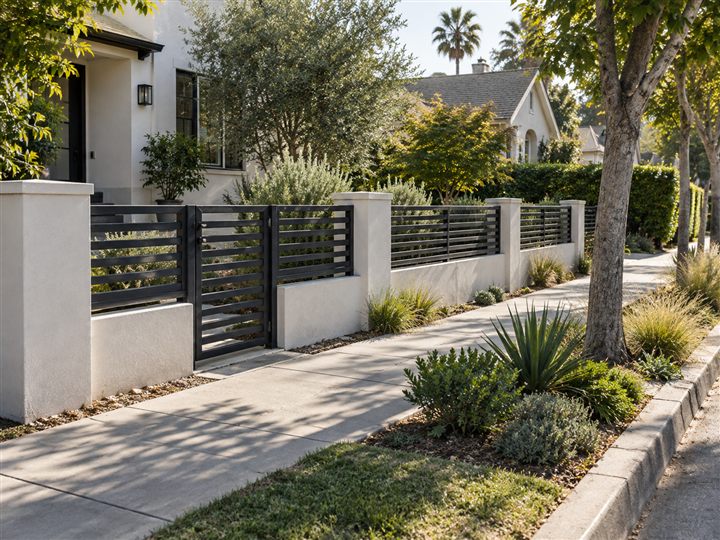
Fences & Gates
Selected fences or gates extending into the public right-of-way and conforming to applicable zoning requirements.
Independent Los Angeles permit guidance
Independent guidance for navigating Los Angeles Revocable R-Permit requirements, project documentation, related permits, and next steps.
Independent permit support — not affiliated with the City of Los Angeles.
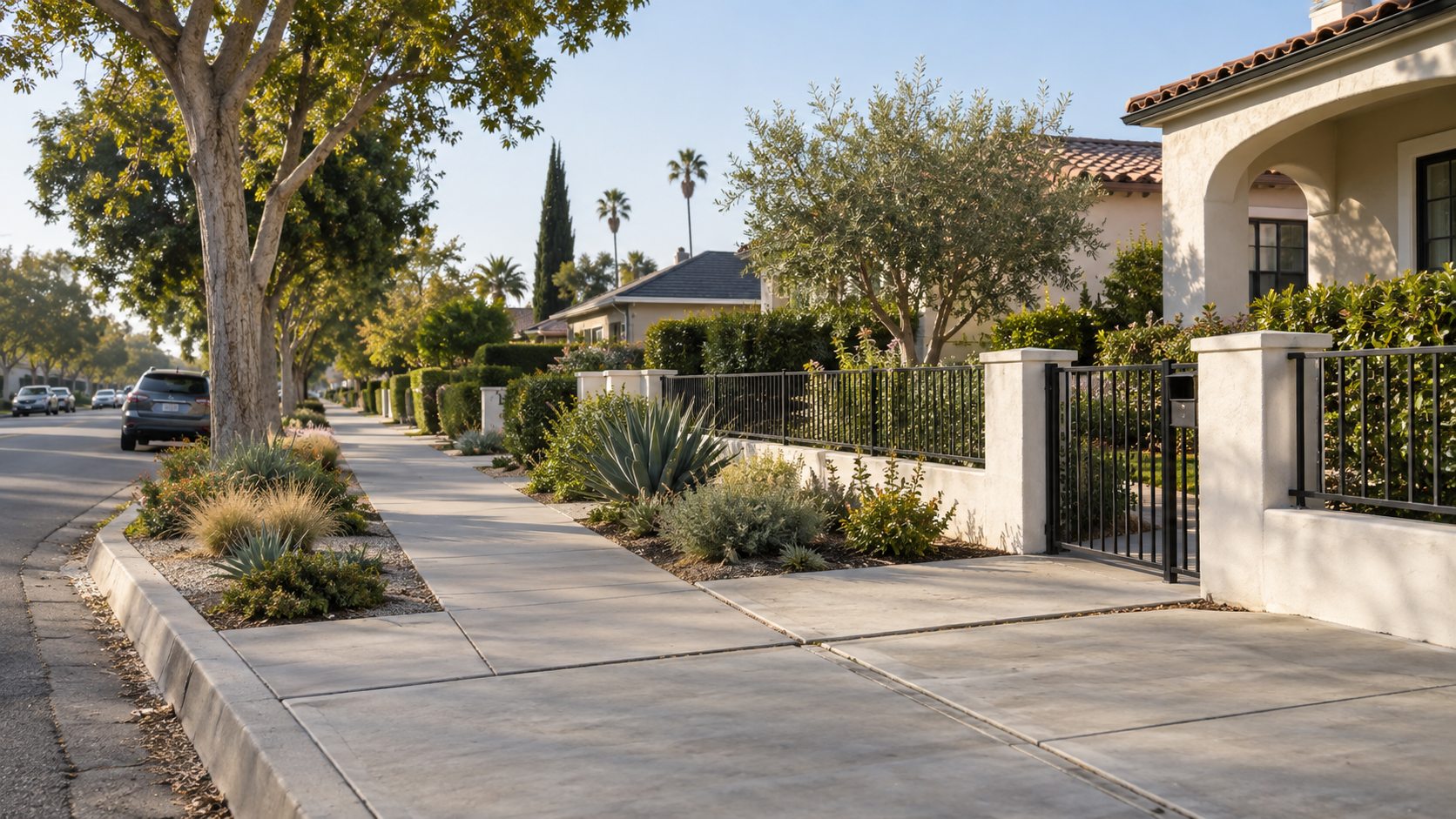
Definition and purpose
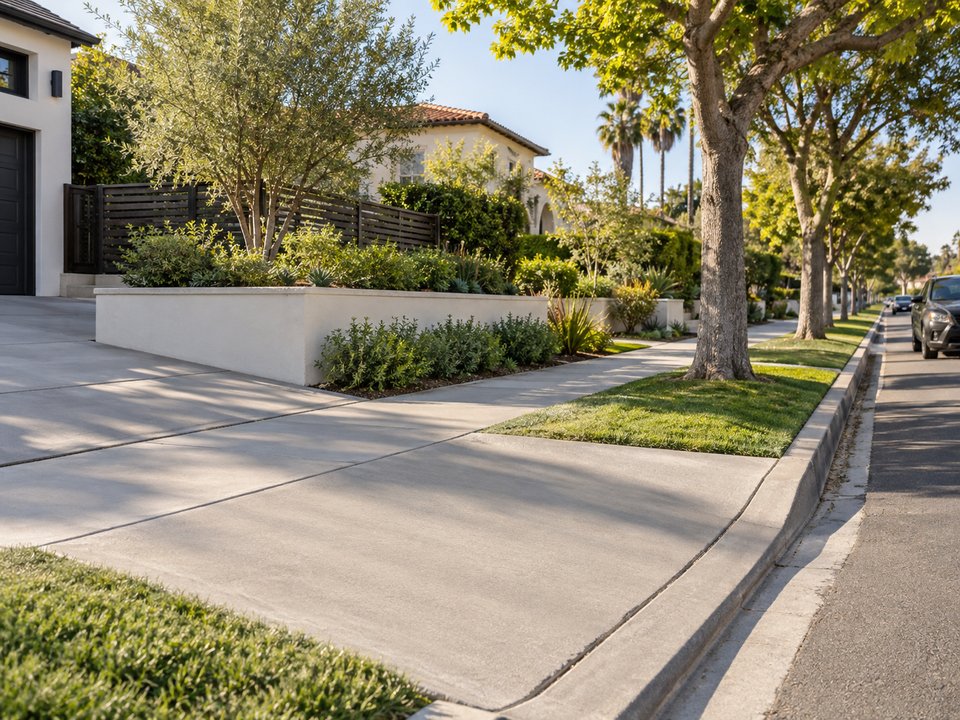
The Los Angeles Bureau of Engineering describes an R-Permit as the mechanism for granting conditional encroachment of the public right-of-way by private parties that are not otherwise authorized to occupy it.
The review checks the proposed encroachment against applicable requirements for design, use, materials, and inspection. BOE also explains that private structures generally should not be placed in the public right-of-way, though special circumstances such as topography or constraints on private property may be considered.
An R-Permit is discretionary. The final decision, conditions, fees, and related permit requirements remain under City jurisdiction.
Start with location and scope
An R-Permit question often starts where a private proposal meets public space. The project may need City review if it:
Project-specific: These indicators help frame the question, but they do not determine permit eligibility or approval.
Common project types
BOE identifies many possible encroachments. These examples are simplified starting points, not a guarantee that a project is eligible or will be approved.
Selected fences or gates extending into the public right-of-way and conforming to applicable zoning requirements.
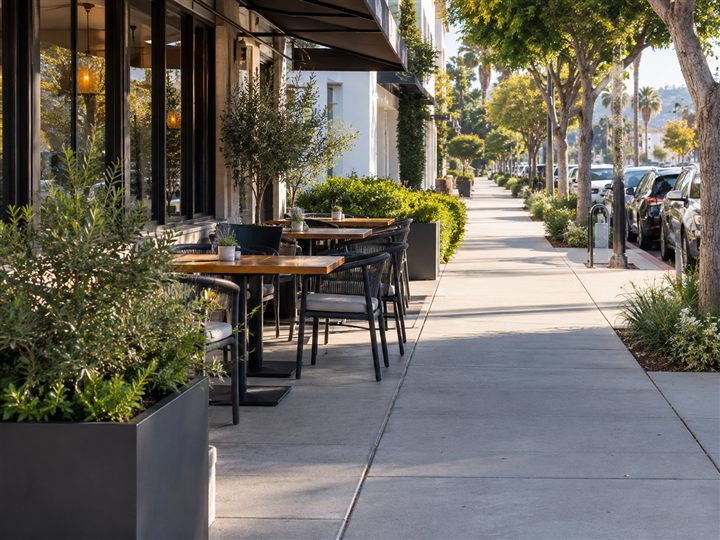
Tables, chairs, and related dining elements proposed in the sidewalk area.
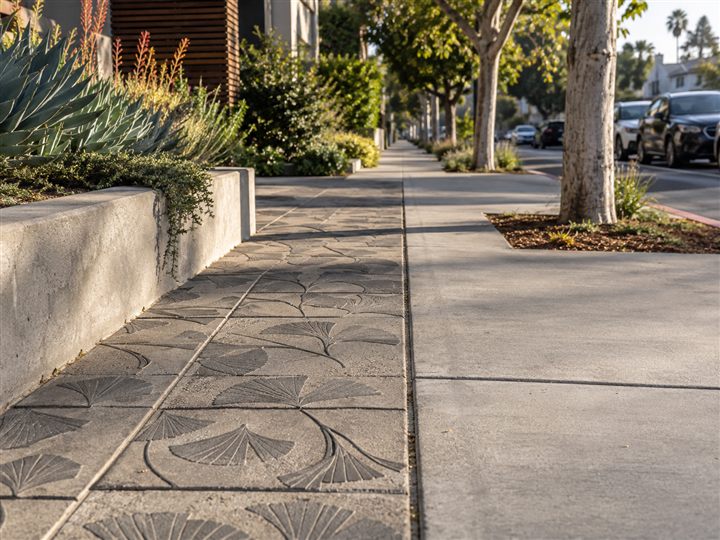
Special pavers, art pieces, or non-standard groundcover proposed in the public right-of-way.
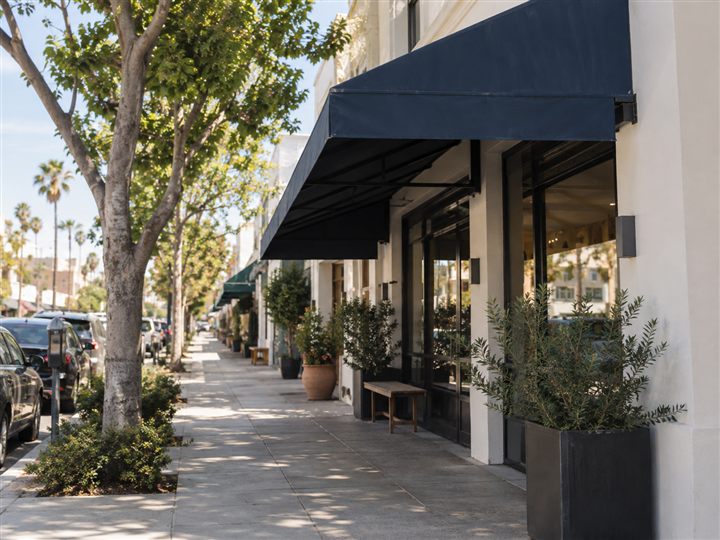
Architectural projections, awnings, canopies, steps, or equipment affecting public space.
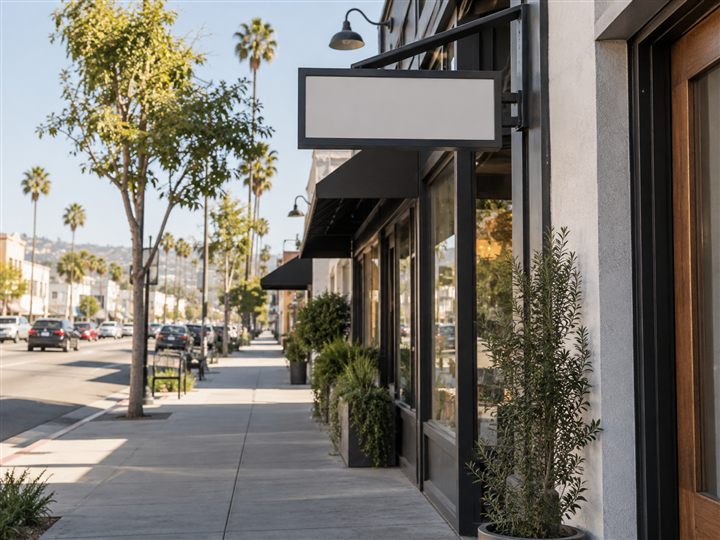
Certain pre-existing pole signs, wayfinding signs, marquees, and similar projections.
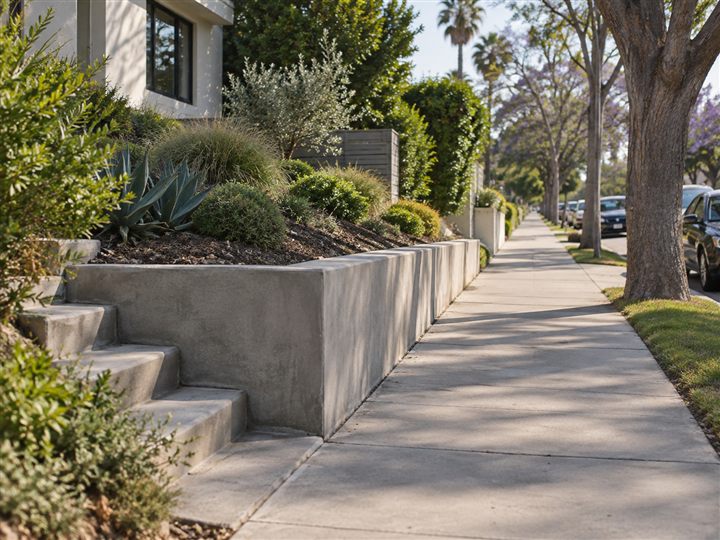
Selected walls, bridges, structural features, or portions of private structures in the right-of-way.
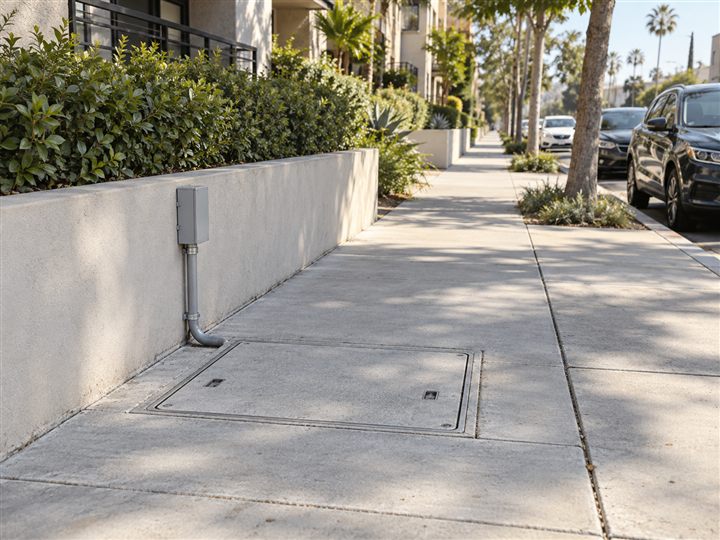
Commercial or electrical conduits, vaults, and access hatches serving private facilities.
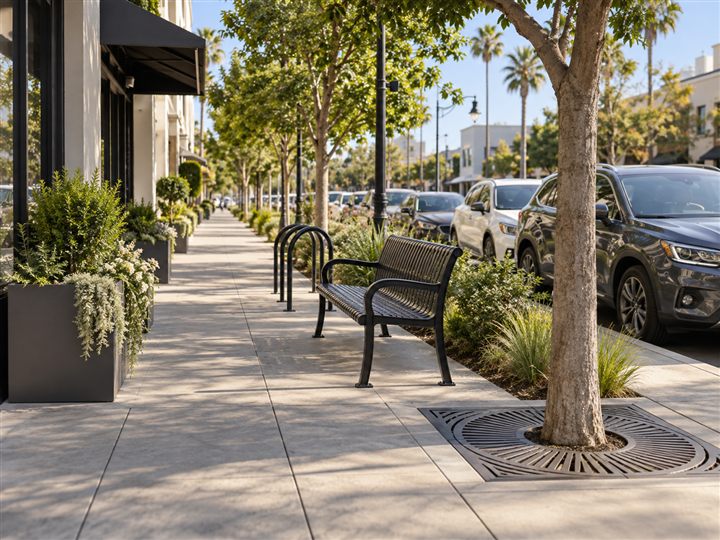
Planters, decorative benches, bike racks, tree grates, lighting, and other privately maintained features.
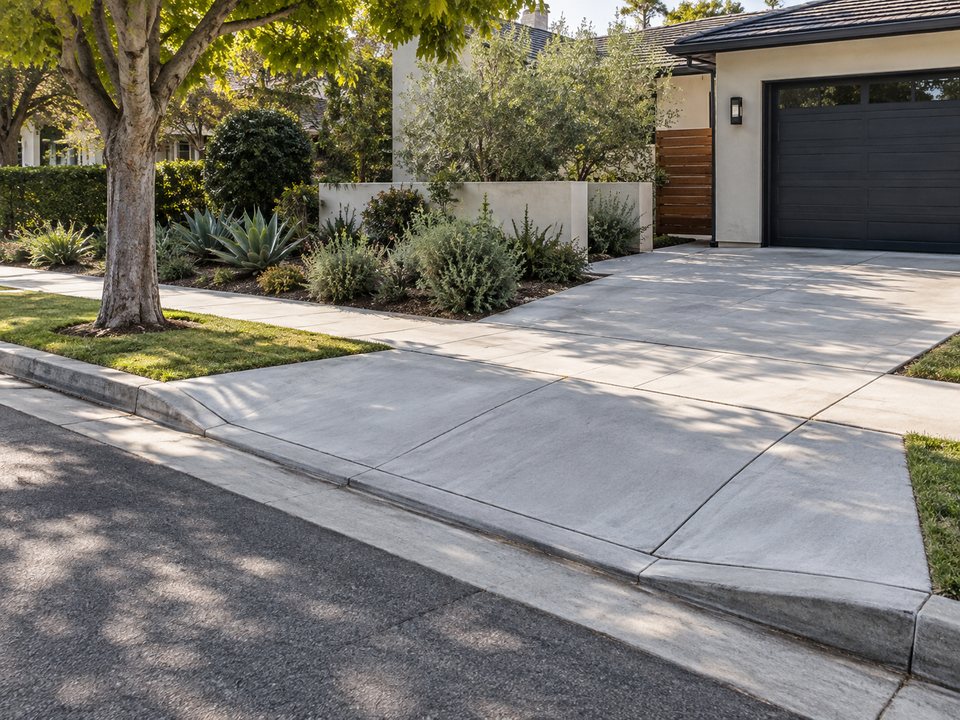
Driveway approaches, curb modifications, and related transitions affecting the public right-of-way.
Review context
The applicable City review may consider the proposed use, location, physical conditions, and effects on public access and infrastructure.
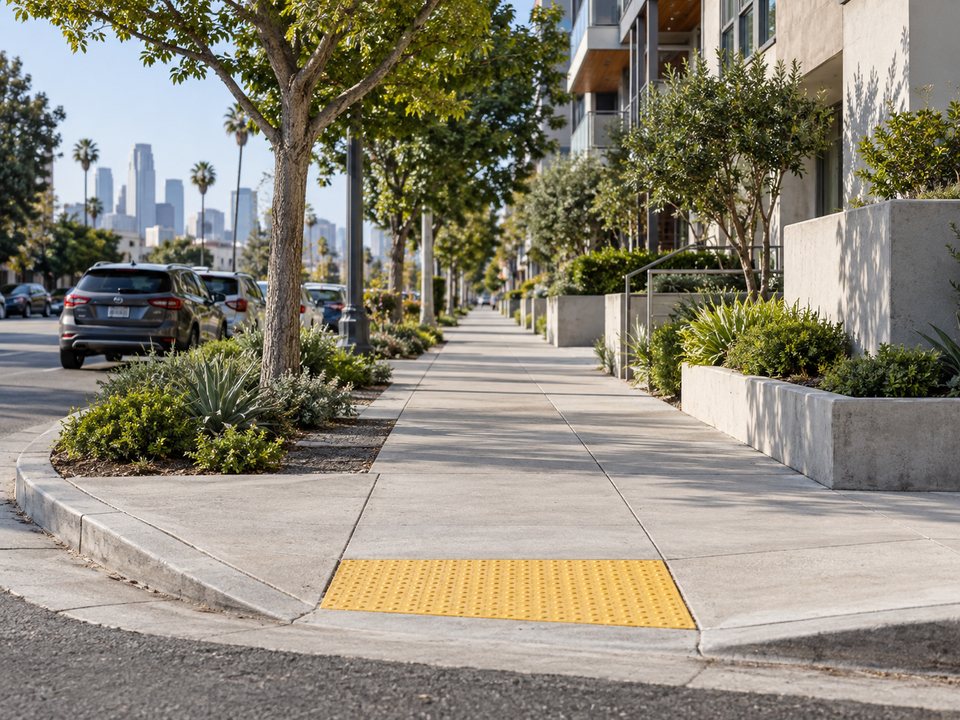
Whether a continuous, unobstructed path of travel can be maintained.
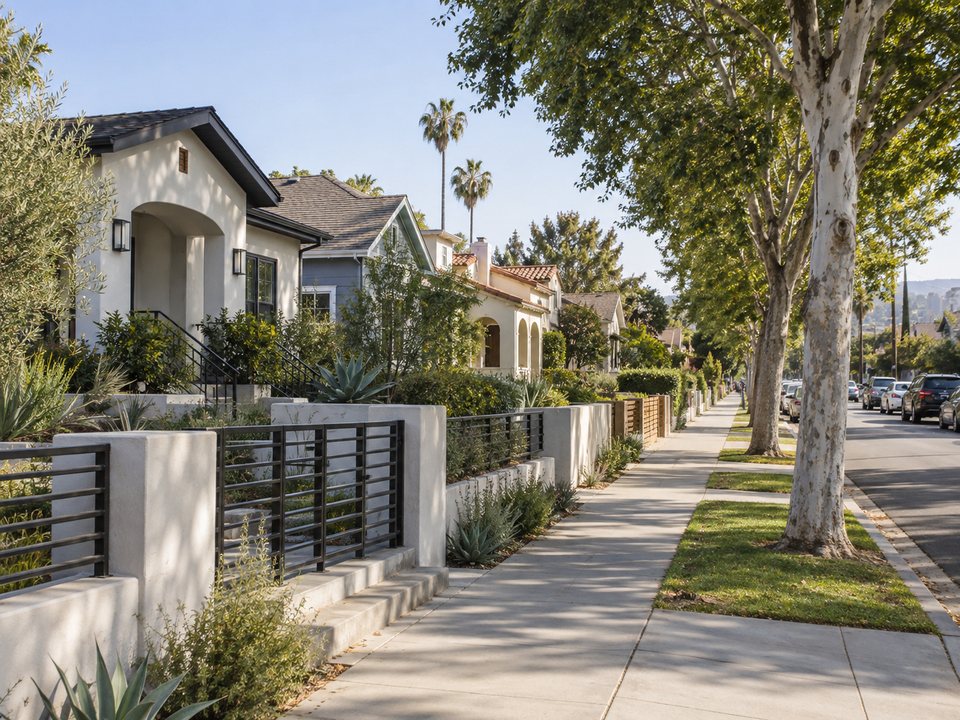
How the proposal relates to similar encroachments and conditions nearby.
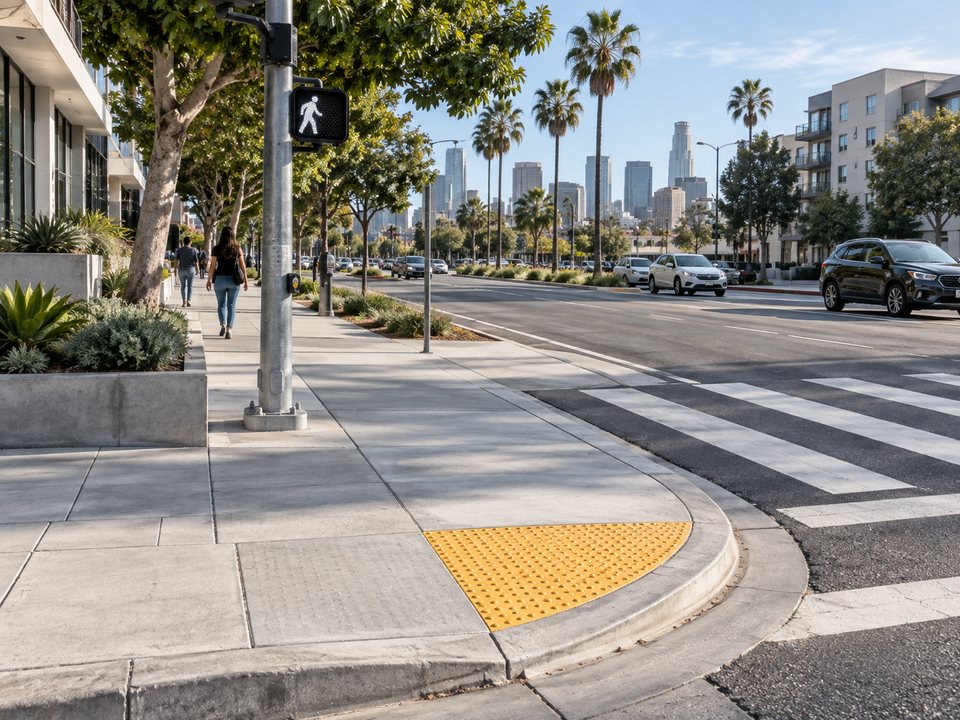
Whether the proposed feature creates conflicts, hazards, or visibility concerns.
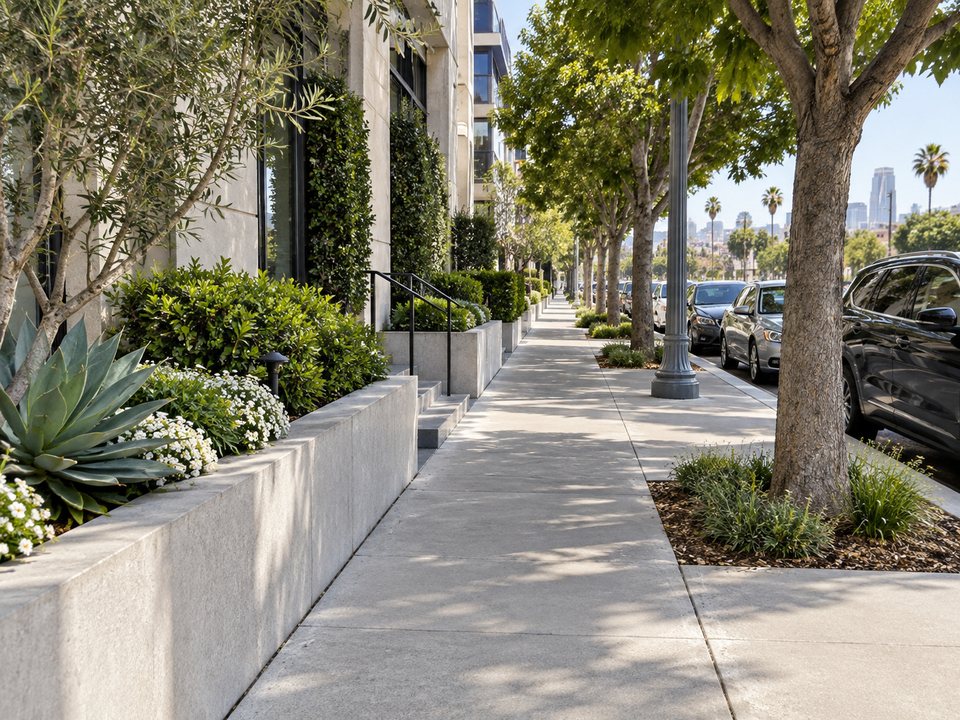
How the encroachment will be maintained and permit conditions kept in effect.
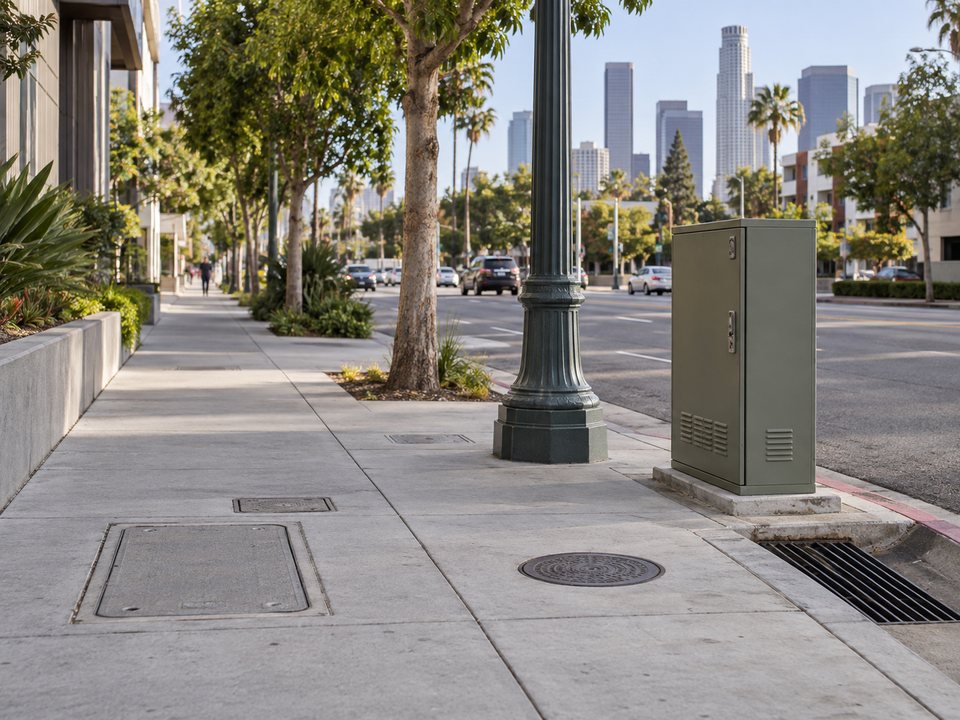
Potential conflicts with public facilities, access, drainage, and future work.
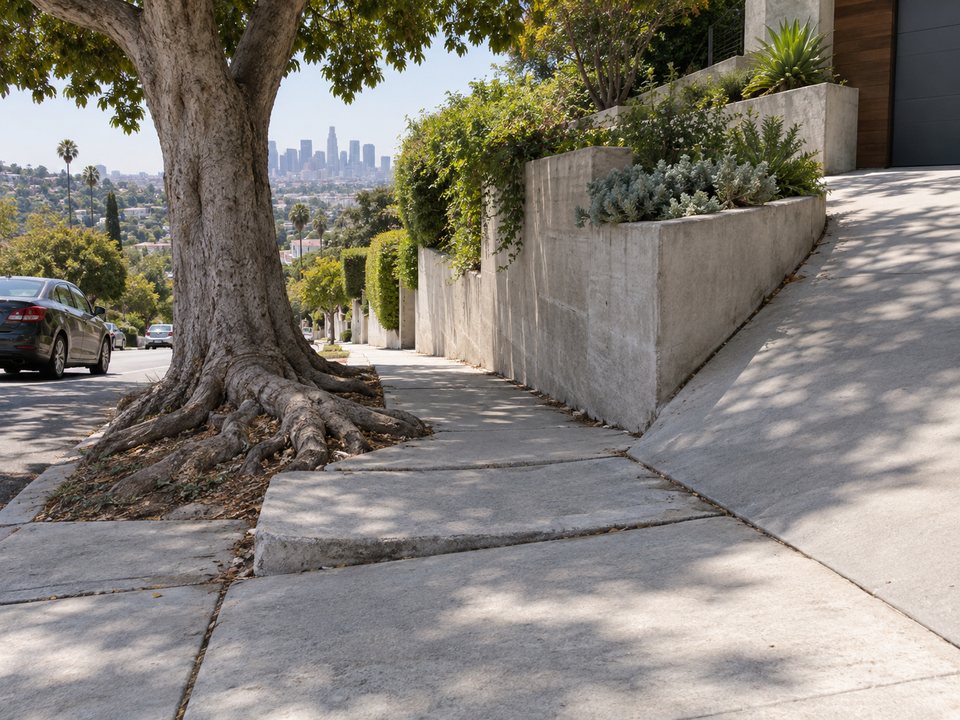
Topography, private-property constraints, design details, and other relevant facts.
Independent project support
Focused help organizing the facts and materials a project team may need to navigate the applicable City review.
Frame the proposed encroachment, location, and relevant BOE guidance so the permit question is clearly stated.
Review the service →Organize application information, ownership details, and the project narrative around the proposed work.
Review the service →Identify and structure sketches, dimensions, photographs, plans, and other available project records.
Review the service →Help track related permit questions, City comments, open items, and next steps across the project team.
Review the service →Organize information requested during review without representing City decisions or guaranteeing an outcome.
Review the service →A practical sequence
Define what is existing or proposed within or affecting the right-of-way.
Assemble the location, description, ownership records, dimensions, plans, and photos.
Provide the project record through the applicable City intake process.
Respond to review comments, conditions, related permit needs, and requested revisions.
Satisfy the requirements determined by the City before the relevant work proceeds.
The actual process, sequence, and requirements vary by project and the applicable City review.

Application readiness
A useful starting file may include:
BOE determines what is required. This checklist is preparation guidance, not a complete or universal application package.
Review R-Permit RequirementsOngoing conditions
The permission is conditional rather than a permanent transfer of the public right-of-way.
BOE’s current guidance says an R-Permit generally remains valid while its terms and conditions—including maintenance obligations—continue to be met, unless the permit states otherwise. The permit may be revoked when an encroachment violates its conditions, and the applicable City process may require removal and restoration.
Read the official BOE R-Permit FAQ →Frequently asked questions
General information based on current BOE materials. Your project may have additional or different requirements.
Official BOE R-Permit Manual →A Revocable R-Permit is a City of Los Angeles mechanism for conditionally allowing certain private encroachments in the public right-of-way. It is not ownership of public space and remains subject to City conditions.
An R-Permit may be considered when a private structure, improvement, object, or use encroaches into the public right-of-way. Eligibility and the correct permit path depend on the location, scope, and City review.
Yes. The BOE manual states that R-Permits are discretionary. The City reviews the actual encroachment, applicable standards, site conditions, neighborhood context, and required approvals.
Yes. BOE explains that other permits may be required in addition to an R-Permit. Construction or installation may involve an A-Permit, B-Permit, Excavation Permit, or another approval, depending on the work.
Current BOE procedures identify a completed application, grant deed, project sketch, photographs, and applicable fees as common starting items. A lease and additional project-specific documents may also be required.
According to the current BOE FAQ, R-Permits are valid indefinitely unless the permit states otherwise, as long as all terms and conditions, including maintenance, continue to be met.
BOE states that an R-Permit may be revoked for violations of its conditions. The City may issue a Notice to Comply and, if revocation occurs, require removal of the encroachment and restoration of the public right-of-way at the permittee’s cost.
The current BOE FAQ says the permit continues to be valid after a sale if its terms and conditions are met. It also states that the new owner needs to apply for a new R-Permit to ensure insurance requirements are recorded with the City.
These answers summarize the current Los Angeles BOE R-Permit FAQ and related official procedures. Confirm project-specific requirements with the applicable City office.
Start with the project facts
Share the proposed location, encroachment, and any project information you already have. We can help you organize the questions and materials for the applicable review.